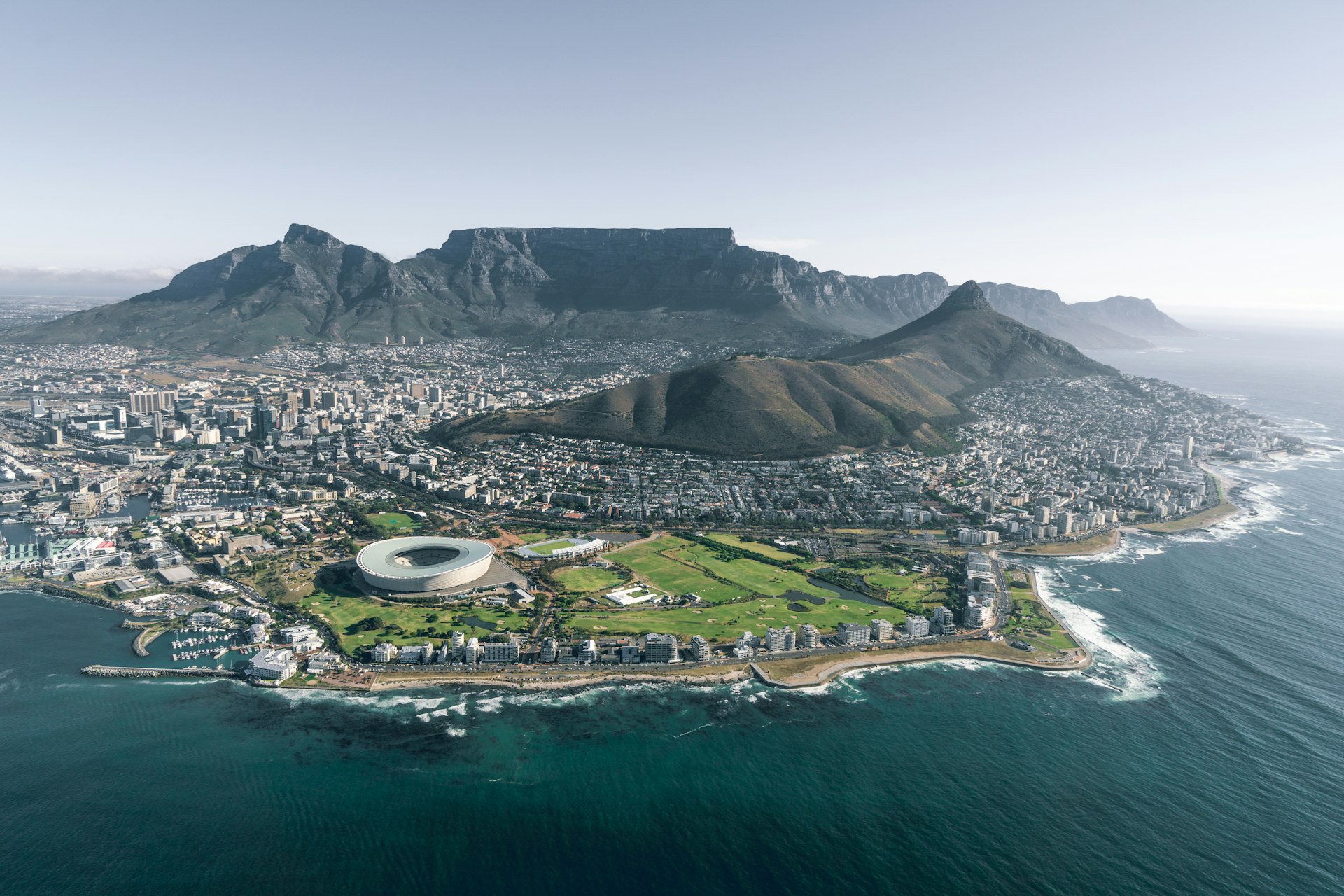
Cape Town's Climate: The Basics
Cape Town has a Mediterranean climate — warm, dry summers (November–February) and cool, wet winters (June–August). It's the inverse of European seasons, which is perfect for European travelers seeking winter sun.
The city is consistently beautiful year-round, but each season offers a distinct character and different trade-offs between weather, crowds, and price.
November to February: Summer Peak Season
Cape Town at its most glamorous — long days, warm temperatures (25–30°C), excellent beach weather, and the city buzzing with international visitors and South African holiday-makers.
Downsides: December–January is school holiday peak, meaning the highest prices, busiest cable cars, and longest queues everywhere. Book Table Mountain cable car tickets at least a week in advance. Accommodation prices peak in December.
The famous Cape Doctor — a powerful SE wind — can blow persistently in January–February, making beach days on the Atlantic side uncomfortable on some days.
March to May: Autumn Sweet Spot
Our favourite time to visit Cape Town. The summer crowds thin, prices drop, the wind settles, and the weather remains beautiful — often the clearest, most stable conditions of the year.
March and April offer warm temperatures (20–25°C), excellent Table Mountain visibility, and the Winelands at harvest time — a spectacular bonus for wine enthusiasts.
April is arguably Cape Town's best month: summer prices not yet returned, schools back, and long golden evenings in the Winelands.
June to August: Winter (Still Worth Visiting)
Cape Town winters are mild by European standards (15–18°C daytime) but bring significant rain, particularly on the Atlantic facing slopes. The mountain is frequently cloud-covered.
However — whale watching peaks in August, the Winelands are dramatically beautiful in winter mist, fire-side dining at Stellenbosch is magical, and prices are at their lowest. International visitors who don't mind occasional rain get Cape Town largely to themselves.
This is also the best time to combine with a Kruger safari — the Lowveld is dry and wildlife-dense in winter, making the combination of Cape Town winter + Kruger dry season safari excellent value.
September and October: Spring Wildflowers
The Cape Floral Kingdom explodes with color in August–October — the famous fynbos wildflowers along the Peninsula and West Coast are spectacular. Kirstenbosch Botanical Gardens is at its best.
September and October offer warm days, manageable crowds, good prices, and the best whale watching from Hermanus (southern right whales peak in October). Table Mountain visibility improves significantly.
This is our top pick for a Cape Town + Kruger combination: spring wildflowers in Cape Town, dry season Big Five wildlife in Kruger.

