1. Serengeti National Park, Tanzania
The Serengeti is Africa's most iconic safari park and our number one recommendation. 14,750 square kilometres of endless savannah supporting approximately 3,000 lions, 1,000 leopards, 250,000 wildebeest permanently resident — plus 1.5 million more during the annual Migration.
The Serengeti's combination of scale, wildlife density, and diversity makes it the most rewarding single safari destination in the world. The variety of ecosystems within the park — from Seronera's granite kopjes to Loliondo's acacia woodlands — ensures no two game drives are alike.
2. Maasai Mara National Reserve, Kenya
During July–October, the Maasai Mara delivers the single most dramatic wildlife spectacle on Earth — the Great Migration river crossings. 1.5 million wildebeest and zebra crowd the Mara River banks before lunging across in scenes of extraordinary chaos, with massive Nile crocodiles waiting below.
Year-round, the Mara offers Africa's highest lion density, reliable leopard sightings, and a large resident cheetah population. Its compact size (1,500 sq km) means wildlife concentrations are very high compared to the Serengeti.
3. Okavango Delta, Botswana
The Okavango is Africa's most unique wildlife environment — a vast inland river delta in the middle of the Kalahari Desert. Wildlife viewing here is done by mokoro canoe, motorboat, and on foot, creating an entirely different safari experience to the vehicle-based east and south.
Botswana's exclusivity policy (limited tourist numbers, premium pricing) means the Okavango is almost always uncrowded. African wild dogs, sitatunga antelope, and extraordinary birdlife are among its specialties.
4. Kruger National Park, South Africa
Kruger is Africa's most accessible Big Five safari park — well-maintained roads, good infrastructure, English-speaking rangers, and options at every price point from self-drive camping to private luxury lodges. It covers nearly 2 million hectares with exceptional wildlife diversity.
For first-time safari travelers, Kruger represents the ideal introduction. Five nights delivers near-guaranteed Big Five sightings with the flexibility of self-drive exploration.
5. Ngorongoro Crater, Tanzania
The world's largest intact volcanic caldera is unlike any other safari experience. 600 meters deep and 260 square kilometres wide, the crater floor supports approximately 25,000 large animals — including the critically endangered black rhino — in a naturally enclosed ecosystem.
Wildlife density is extraordinary: you will see lions, hippos, flamingos, and zebra within the same field of view. The descent into the crater is itself a dramatic experience.
6. Chobe National Park, Botswana
Chobe's Chobe River holds Africa's largest elephant population — over 120,000 animals. During the dry season, herds of hundreds congregate at the river for spectacular boat-based viewing. Buffalo herds of thousands, large lion prides, and rare sable antelope complete the extraordinary wildlife picture.
7. Amboseli National Park, Kenya
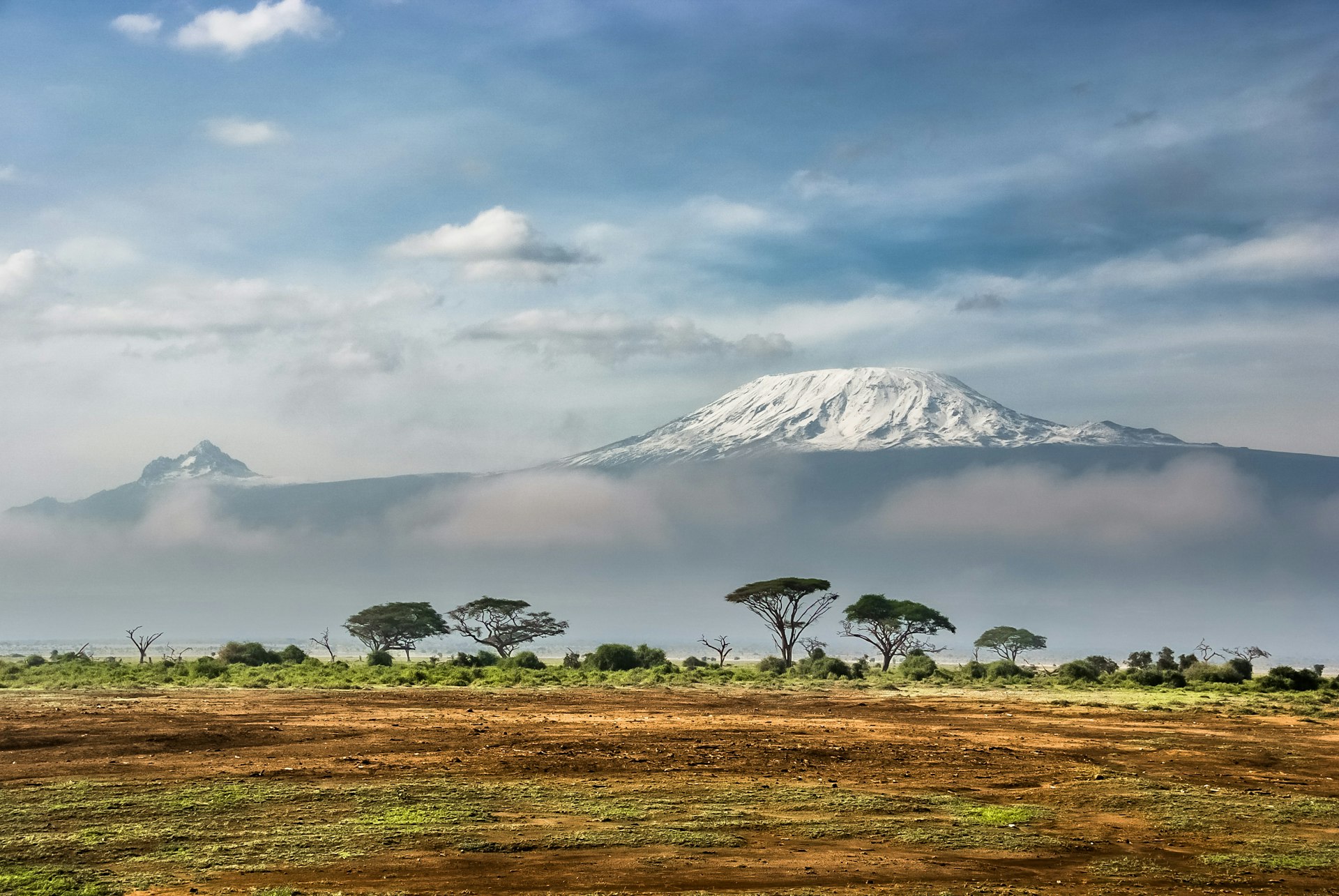
Amboseli may be Kenya's second most famous park after the Mara, but it delivers one irreplaceable image: massive African elephant herds silhouetted against the snow-capped peak of Mount Kilimanjaro at dawn. This photograph defines the African safari dream.
8. Mana Pools National Park, Zimbabwe
UNESCO-listed Mana Pools is Africa's premier walking safari destination. The Zambezi floodplain habitat is extraordinarily photogenic, the wildlife is habituated to human presence on foot, and the guiding standards are Africa's finest. Fewer tourists than comparable East/South African parks.

